Green Design Jim

The 606 - Chicago

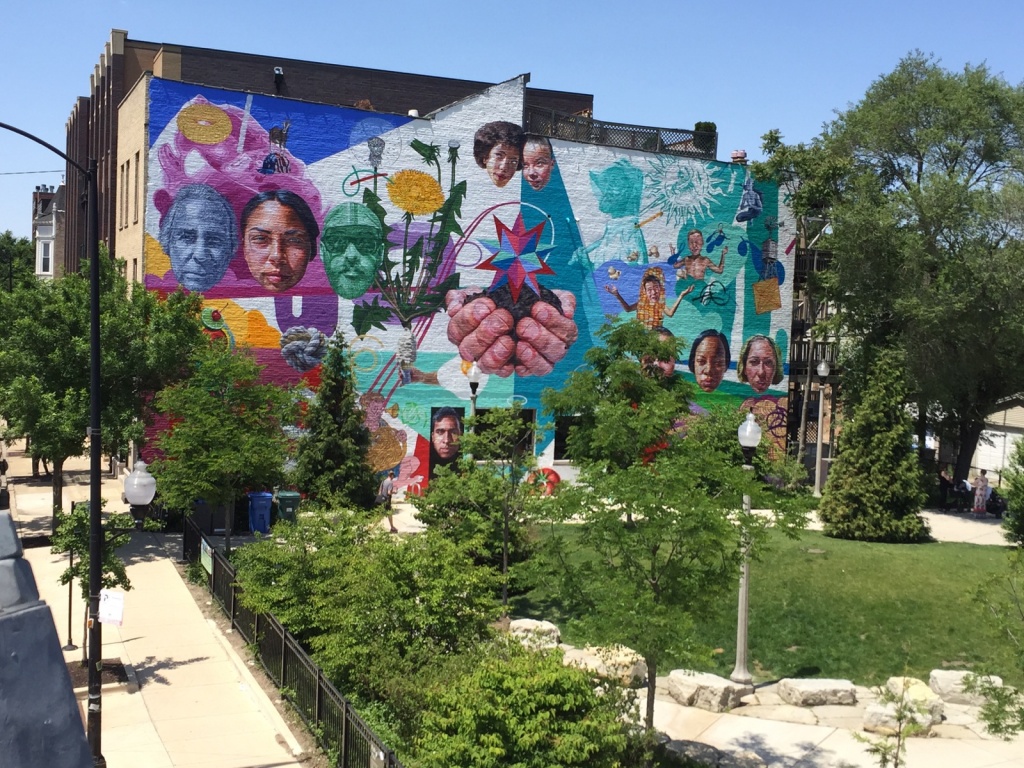
A few weeks ago, I had the chance to visit The 606, Chicago’s newly created urban walk and bike path, and I think they did a great job in converting what was once the Bloomingdale Line (elevated railroad) into a green mecca for urbanites and others.

 The developed was constructed with numerous paths that connect at the lower street level. Some of the paths break back and forth as switchbacks leading to and through a small urban park setting. The walk is perched one full floor above the city streets and features bridges to connect paths. There are walking and running paths as well as benches for relaxing and just enjoying the great views of the city. As a new development, The 606 won’t get much shade on sunny days until the trees become large enough to provide it (be careful when leaning on the guardrails—some of them have galvanized top rails that can get very hot!), but it still makes for a great escape for city residents. While there, I did not even notice the usual city noise.
High Design


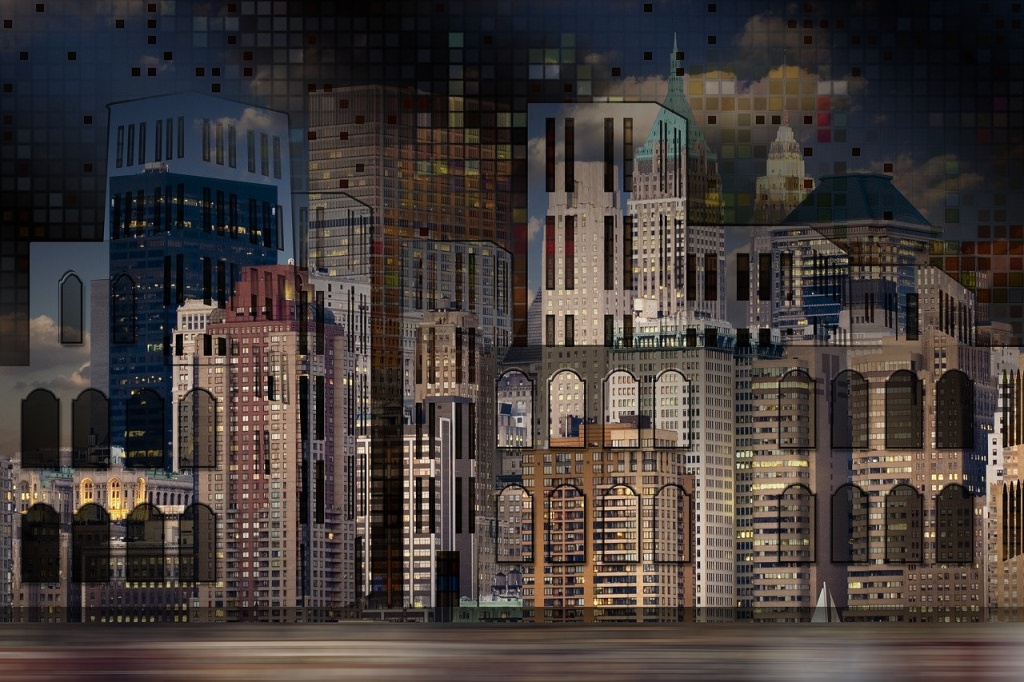
 I am asked all of the time, “What makes a good design?” There are many possible answers to this question, but my most frequent reply is: “the principle of center stage versus background architecture.”

 For me, form follows function. The site defines where, what and how the necessary functions will perform on the site. Spatial relationships are where the efficiencies of space and cost come in. The aesthetics then can be developed in relation to the site and the community, and in a manner that seems timeless. Most buildings work in a background position—only a few need to be “signature / center stage.”

The Value of Follow Through

Clients expect their design team needs to be responsive to the changes, requirements and issues that arise throughout their development project. This is vital to the success of small projects and even more so for large projects. Similarly, design teams need clients to be just as responsive.

Managing Expectations

A strong team leader is key to a successful development project. Among his or her many functions is to educate clients and the design team as to the proper expectations for the project: processes related to the design, communication, management, invoicing schedules, deliverables, and the final result. If a leader says a project will be done in 4 months, what will actually be done needs to be defined. If, for instance only two-thirds of a large building’s construction can be built in a particular time frame, our client needs to know that. Effective team leaders do not try to sell clients on non-accomplishable goals. We can tell you what we want to do but there will never be a perfect project. Getting as close to perfect as we can is our goal.

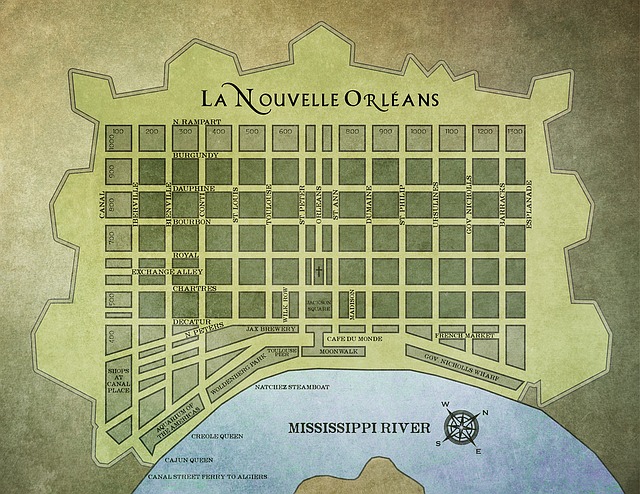
French Quarter (the Vieux Carre’)

In discussing historic preservation with a friend recently, I was reminded of my trip to New Orleans’ French Quarter last year. As the oldest still-intact neighborhood in the U.S., its character and city planning is largely identical to what it was 300 years ago. Sure, buildings have been upgraded and advanced construction standards and materials have been applied, but the area’s scale and courtyard theme is the same, and determined consideration for historic preservation has been incorporated into each design issue.

Legal

The content of this website is provided for information purposes only. While every effort is made to ensure that the information contained within the website is accurate and up to date, JHAI makes no warranty, representation or undertaking whether expressed or implied, nor does it assume any legal liability, whether direct or indirect, or responsibility for the accuracy, completeness, or usefulness of any information.

All materials, unless otherwise stated, are copyright and remain the property of JHAI.